
English

Strong adhesion
Using a specially formulated adhesive layer, no additional glue is required, allowing it to firmly adhere to various surfaces.

Multifunctional
The application scenarios are rich, whether for item classification labels or creative projects, it can meet the needs.

Easy to attach
Easy operation of tearing and sticking, efficient labeling, clean and no adhesive residue

A meticulously designed label is the most outstanding spokesperson for a product

Insight into the target audience
Clarify whether the core positioning of the label is brand building or information transmission, and tailor the design style and copy content according to the value preferences of the audience.

Create a sense of visual harmony
Select colors and fonts that align with the product's characteristics, use visual elements to enhance appeal, while maintaining a minimalist and pure design style.

Clearly convey information
Prominently display the product name and core selling points, tell authentic brand stories, and mark essential information, which not only builds consumer trust but also complies with regulatory requirements.

Durable and practical
Make the label both aesthetically pleasing and durable, enabling it to adapt to various usage environments, remain intact and clear at all times, and provide consumers with a good user experience.

Practice sustainable concepts
Use environmentally friendly materials to highlight the brand's original commitment to sustainability; emphasize eco-friendly initiatives to attract ecologically conscious consumers.

Regular Refresh and Upgrade
Continuously optimize label design based on user feedback and market trends to maintain visual freshness and market competitiveness.
Application Fields
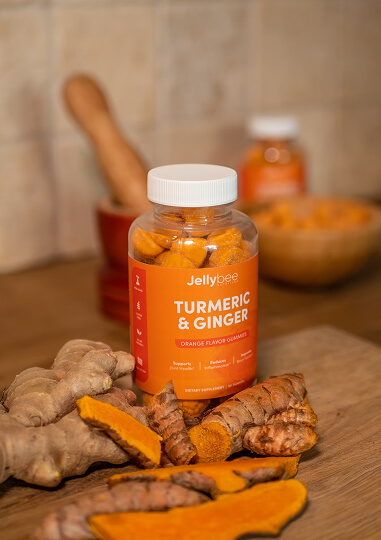 Healthcare & Pharmaceutical Industry
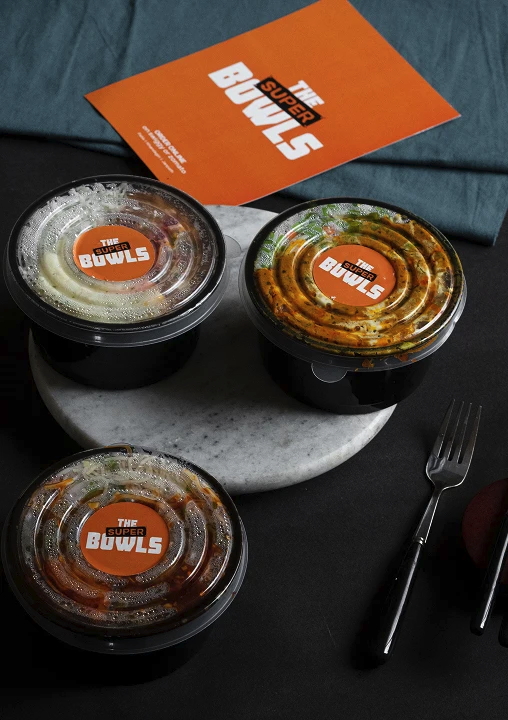 Food Industry
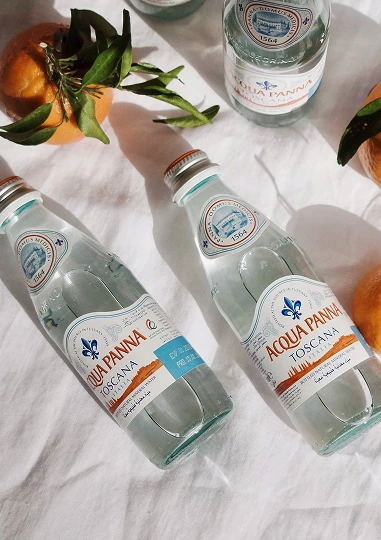 Beverage Industry
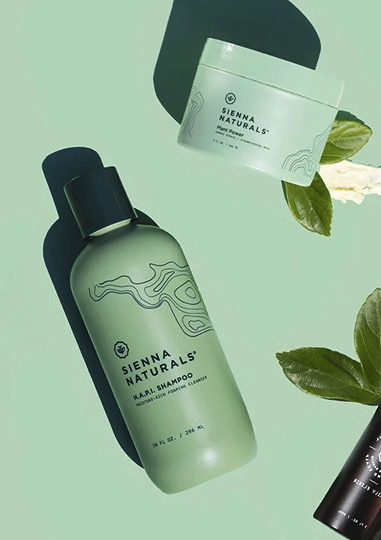 Personal Care Products
 Household Products
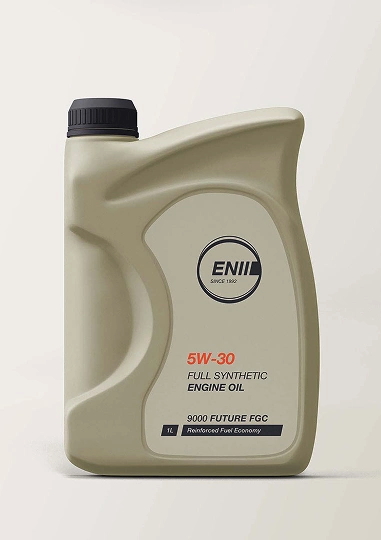 Automotive Lubricants
In-depth Analysis of Self-adhesive Labels
Tag Structure Guide
- 1
- 2
- 3
- 4

Surface coating
Enhancing substrate performance through smoothing, coloring, and protective coatings to ensure ink adhesion.
Primarily applied to foil film materials to achieve vibrant printing effects.
Material Selection
Overview of Common Label Materials
Film-type substrate
Covering materials such as polyethylene (PE), polypropylene (PP), polyester film (PET), polyolefin (PO), and biaxially oriented polypropylene (BOPP). These materials, which possess waterproofness and flexibility, can meet the needs of diverse application scenarios.


Paper-based substrates
It includes types such as matte coated paper, glossy coated paper, specialty paper, and variable information paper. The environmentally friendly and economical features, combined with excellent tactile quality, can adapt to the requirements of different printing processes.
Metallized Aluminum Foil Type
Covering polypropylene (PP), polyethylene (PE), polyester (PET), and paper substrates with metal coatings on the surface, the design offers strong plasticity and is suitable for the high-end market.


Choose the right adhesive
Let the label achieve optimal performance
- Water-Based Adhesives
- Solvent-Based Adhesives
- Hot Melt Adhesives


Core Finishing Process
Enhance the durability and visual texture of the label
Label Surface Enhancement Process
Upgrade Visual Expressiveness and Tactile Experience


Diversified Application Special Labels
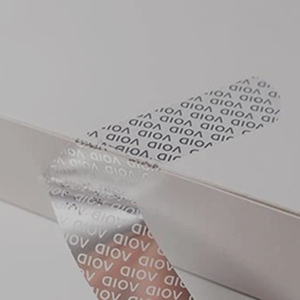 Tamper-Evident Security Labels
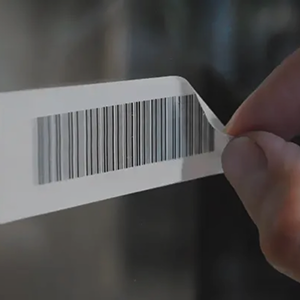 Removable Adhesive Labels
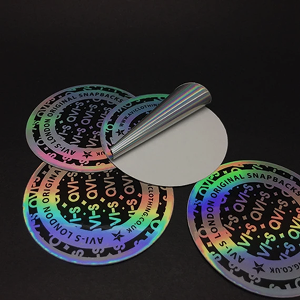 Removable Adhesive Labels
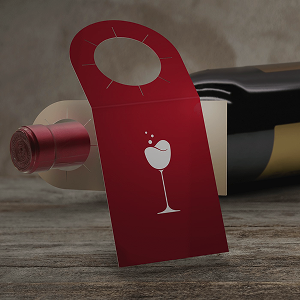 Hang Tag Labels
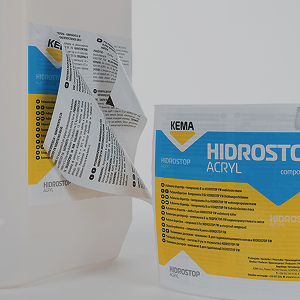 Multi-Layer Composite Labels
Common Problems and Solutions for Self-Adhesive Labels
Even a well-designed label may fail to achieve its intended effect if not applied properly. Neat and smooth labeling not only enhances the product's visual appeal but also conveys attention to quality and detail, helping the product stand out on the shelf. Below are common labeling issues and their simple solutions:
ISSUE Label Blistering
ISSUE Label Wrinkling
ISSUE Label Edge Lifting & Falling Off
CONTACT US

Address:Building 1, No. 28 Zhongbei Road, Jianggao Town, Baiyun District, Guangzhou City, Guangdong Province, China

Telephone:+86-18126787666

Contact email:943042943@qq.com
ABOUT US
we provide oem/odm services for cosmetic, makeup, personal care, pharmaceutical, and food industries
Our Advantages
· 6,000m² FACTORY, 200,000+ PCS/DAY
· 5-LAYER CO-EX, SILK SCREEN, HOT STAMPING,UV
· ISO-CERTIFIED QUALITY CONTROL
· IN-HOUSEMOLDDESIGN& FAST CUSTOMIZATION
contact us
Whatsapp
Tinaxie
Whatsapp
Vicky Yao
Whatsapp
Eric
Tinaxie
Scan the code on Whatsapp to add
Vicky Yao
Scan the code on Whatsapp to add
Eric
Scan the code on Whatsapp to add